
- Residential Paving
- Commercial Paving
- 5-Star Quality & Customer Service
Get a Free Quote Today!
A driveway that cracks in its third winter usually failed at the base, long before the asphalt went down. MD Paving Pros installs, replaces, and resurfaces asphalt driveways for homeowners across Maryland. We also build paver driveways, patios, and walkways, and we pour concrete. Your job starts with the base.
Call (443) 219-8268 for a free estimate at your home.
Need help choosing between asphalt, concrete, and pavers? The section near the bottom of this page runs through the trade-offs, or call and we’ll talk it through on the phone in ten minutes.
A low bid usually means a thin base or one lift of asphalt instead of two. The equipment to do it right (a paver, a vibratory roller, a milling head) costs more to run, and that shows up in the price. If one quote comes in far below the others, ask what base depth and compacted thickness it includes.
We check where water runs before anything else, so a repaved, new, or sealcoated driveway never sends it toward your foundation, yard, or garage. Done right, an asphalt driveway runs 15 to 20 years before it needs more than sealcoating.
Hot-mix asphalt in two lifts, a binder course and a surface course, on 6 to 8 inches of compacted stone. A denser surface mix costs a little more and looks better, which matters if you plan to sell.
Crews arrive on time, finish most driveways in a day, and clean up before they leave. You get written cure times and sealcoating instructions on the way out.
A standard straight driveway in Maryland runs 12 to 16 feet wide and 20 to 40 feet long. Set-back homes on larger lots need 40 to 100 feet, and a circular drive runs 80 to 120 feet of total length. Width matters more than most people think, since at 10 feet you’ll step out onto the lawn and at 12 feet both doors open.
What’s underneath decides how long your driveway lasts. We dig 8 to 12 inches, lay 6 to 8 inches of crusher-run stone, and compact it with a vibratory roller before any asphalt arrives. Then come two lifts of hot-mix asphalt (a binder course and a surface course). Compacted, that’s 3 inches for a car driveway and 4 inches where you’ll park a truck or RV.
Clay soil covers most of central Maryland, and clay holds water and heaves in a freeze. On clay lots we go deeper on the stone base and add drainage wherever the grade sends water toward your house. Skip that step and you get the driveway that cracks in year two.
A new driveway cures enough to drive on in three to five days in summer, longer in cool weather. We’ll give you the exact window before we leave.
Scattered shallow cracks on a mostly flat surface? An overlay works. We mill or clean the surface, fix any soft spots, and pave 1.5 to 2 inches of new asphalt over the top. You get 8 to 12 more years for roughly half the cost of a new driveway.
Alligator cracking (a web of connected cracks), ruts where the tires sit, or a driveway that’s sunk near the garage all point to a base problem. An overlay over a failed base will crack along the same lines inside two winters. That driveway needs replacement.
You’ll know which one you need at the site visit, and we’ll show you the spots that made the call. If an overlay will hold, that’s what you’ll get quoted.
Pavers cost more than asphalt up front and last longer. When one cracks, you swap that one paver. For a front walk, a patio, or a driveway on a house where appearance carries the sale price, they’re usually your best call.
Your paver driveway goes on the same compacted stone base we use under asphalt, 8 to 12 inches of it. Then a 1 inch sand bedding layer, edge restraints on every open side, and polymeric sand swept into the joints. Patios and walkways carry no vehicle weight, so they get a 4 to 6 inch base.
Four materials cover most of what Maryland homeowners ask us for.
Paver patios are most of what we build in Howard, Montgomery, and Baltimore counties from April through October. Driveways and walkways fill the rest of the year.
Concrete costs more than asphalt and holds up for 25 to 30 years with little maintenance. We pour 4 inches for walkways and 5 to 6 inches for driveways, over a compacted stone base, with control joints cut every 8 to 10 feet so any cracking happens where we planned it. Stamped and colored finishes are on our stamped concrete page.
One warning if you’re pouring in late fall. Concrete that catches a hard freeze before it reaches full strength can scale and flake the next spring, so we stop pouring driveways once overnight lows drop below 40°F.
Asphalt is the cheapest to install, done in a day, and the easiest to repair. Sealcoat it every three to five years and you’ll get 15 to 20 years out of it.
Concrete runs about 50 percent more than asphalt and lasts 25 to 30 years with almost no upkeep. Salt and de-icer can pit it, though, and a crack is harder to hide.
Pavers cost the most, often double asphalt, and will outlast both. You repair one unit at a time, and the look is the point.
Our longer comparison with numbers is in the asphalt vs concrete driveway guide.
Two 50 foot driveways in the same neighborhood can differ by thousands. Seven things move your quote.
Call (443) 219-8268 and we’ll measure the driveway and send a written quote that breaks these out. There’s no charge for the visit.
We pave driveways, patios, and walkways across Maryland. Most of our residential work runs through Baltimore County (Towson, Cockeysville, Hunt Valley, Lutherville, Owings Mills, Catonsville), Howard County (Columbia, Ellicott City), Anne Arundel County (Annapolis, Severna Park, Odenton, Davidsonville), Montgomery County (Bethesda, Potomac, Rockville, Silver Spring), and Frederick County.
If you’re outside those counties, call anyway. For a full driveway or patio we’ll travel.
We have all types of gravel & pebbles to fit your theme just right. The best thing about these two, is that they can great with any theme you may have.
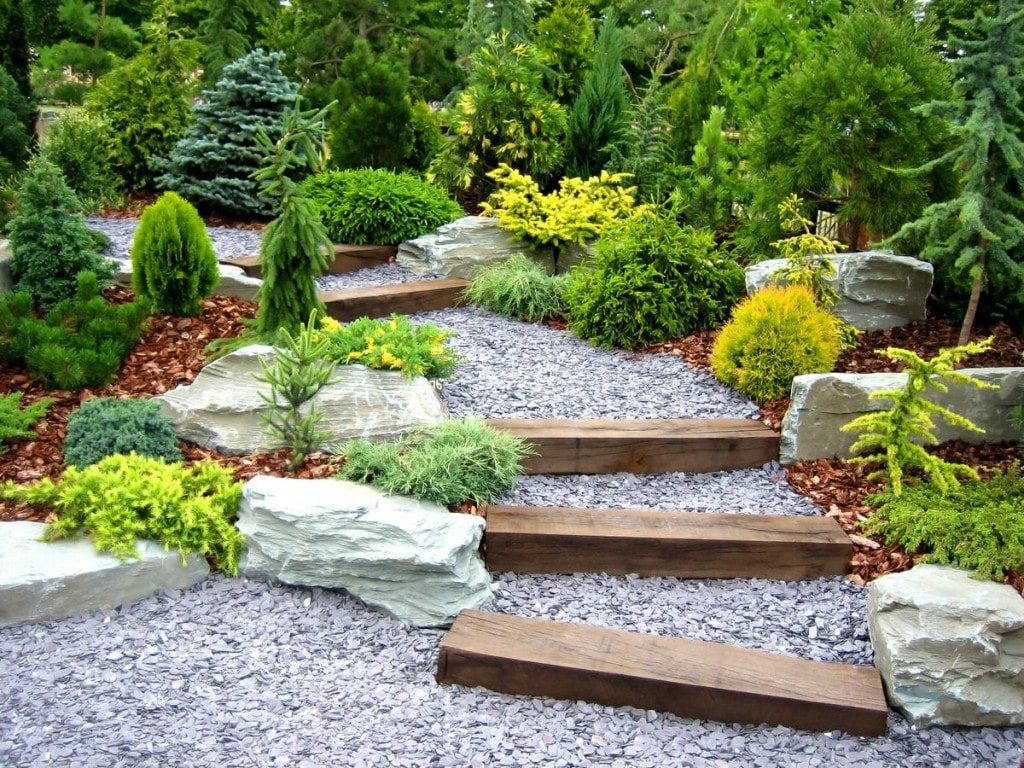
Feel like there’s too much wood or pavement in your area? Add gravel and pebbles and you will be amazed at what a difference they can make. Below are some great options we provide:

One of the most popular, which are excellent for walkways and break areas paired along with gardens and shrubbery or give your theme a beachy look. Pro tip: these look great raked.
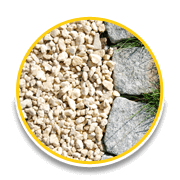
Sick of constantly having to replace mulch? Pebbles look excellent as a mulch replacement, work as an excellent drainage solution for plants which require good drainage, and are a more “permanent” approach, saving you lots of money in the long run.
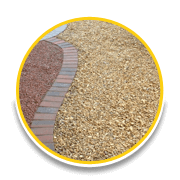
These along with brick edging give any walkway a very unique and stylish look – one of our favorites. Look at any walkway with pebbles and bricks and you will see how visually intrigued your eyes will be.
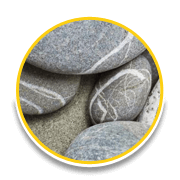
Most commonly used to create pathways with swirl designs. These are also excellent for edging a driveway, giving it a visually intriguing look.
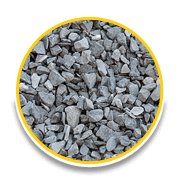
Excellent for outdoor areas where the weather can be damaging to many types of stones. We have great designs to pair coarse gravel with and keep your area looking alive and beautiful.

A great option to have multiple plants in a garden of the same color stand out.
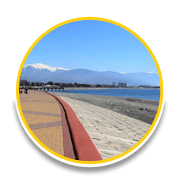
Many customers love our designs with pebbles into step sculptures, giving any area an elegant design.
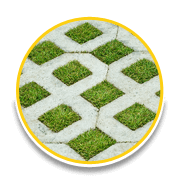
This is most common around businesses for break areas with small shrubbery a professional look.
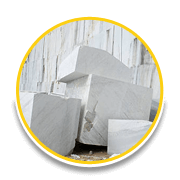
Very elegant touch and great for themes with bamboo.
Paver patios are the bulk of our spring and summer work in Montgomery, Howard, Frederick, and Baltimore counties. A patio carries no vehicle weight, so it goes on a 4 to 6 inch compacted stone base with a sand bedding layer, edge restraints, and polymeric sand in the joints.
Ask about materials when you call. Concrete pavers give you the widest color range, clay brick never fades, and flagstone or bluestone costs the most and lasts the longest.
Most patio calls start with a photo of the backyard and a rough size. From there we’ll sketch a layout, price two or three materials, and tell you how the drainage should run so water moves away from the house. Call (443) 219-8268 for a free estimate.
A patio gives you level, dry ground for a grill, a table, or a fire pit, and it adds to the sale price of the house. Size and shape are up to you. A 12 by 14 foot patio seats six comfortably, and 16 by 20 handles a dining table plus a seating area.
Material sets the look and the price. We build in concrete pavers, clay brick, natural stone, and poured or stamped concrete.


Four things decide whether a patio is still level in ten years. The material, the site prep, where the water goes, and how much sun and freeze it sees.
Skimp on the base and the patio settles unevenly, which is where cracks and trip edges come from. Get the grade wrong and storm water pools against the house. We set the base depth, the slope (about a quarter inch per foot away from the foundation), and the material to suit your lot, then walk you through the plan before any digging starts.
It all depends on the condition of your driveway. If there are many severe cracks and a rutted surface, it’s likely there is a problem with the driveway base and it may need to be replaced. If there are only minor cracks or wear, an asphalt overlay will work great and extend the driveways life.
We will let you know once we perform a survey. If it needs to be replaced, all of the current asphalt will be removed and properly discarded of. We will ensure that there is a proper base material added to ensure a well-built driveway. If we discover any wet or soft areas in the sub base, or the soil layers, they will be removed and filled in with solid materials such as gravel until a solid base is installed. All paving work will be completed with proper asphalt paving machines and proper-weight vibratory rollers. We will then install another layer of asphalt over the compacted asphalt. This compacted thickness is the final thickness of the finished product.
Our paving contractors will first take care of those cracks or holes for you with compacted hot asphalt before an overlay as failure to do so before an asphalt overlay will cause the overlay to fail. In other words, we’ve got all bases covered.
Absolutely. From the start we will perform measurements and evaluations of the area to ensure no issues occur. Just because you didn’t have drainage problems before, doesn’t mean a new overlay won’t cause them. We make sure it won’t.
Plan on roughly double the cost of asphalt for the same square footage, with the base work accounting for a good share of it. Pavers last longer and repair one unit at a time, so the gap narrows over 25 years. We quote both if you’re on the fence.
Most new driveways and overlays finish in one day. A replacement with a large tear-out runs two. You can walk on it the next day and park on it after three to five days in summer, longer in cool weather.
Wait 6 to 12 months so the asphalt cures and the oils work out, then sealcoat. After that, every three to five years. Sealing too early traps oils and leaves the surface soft.
Patios and walkways are most of our paver work from April through October. They go on a 4 to 6 inch compacted base with edge restraints and polymeric sand joints, the same build as a driveway with less stone underneath.
April through early November for asphalt, since hot-mix needs surface temperatures above 50°F to compact properly. Concrete stops when overnight lows fall below 40°F. Pavers can go in most of the year as long as the ground isn’t frozen.
Find What You're Looking For By Searching Below:
Get Your Hassle-Free Pro-Quote